
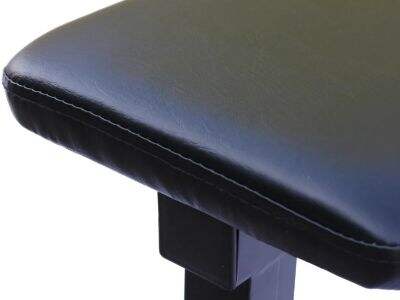
When debating between flat vs incline bench press benches, it’s simple to question which one is best for your clients. At iunnds, we know that no bench is the right fit for your gym unless it’s the perfect size for your clients to work out on. Each has its purpose, but both also hit the muscles differently and can assist in different goals. Understanding these differences can help gyms and fitness centers purchase the right equipment, too. Let’s explore the heart and soul of what makes each flat bench unique, which will help you figure out what your customers really want.
HOW TO CHOOSE THE BEST BENCH PRESS BENCH FOR WHOLESALE FITNESS EQUIPMENT?
Choosing the right bench press bench for wholesale fitness equipment ain’t just about picking out the most popular one. You gotta look at what your clients want to achieve and how they train. Flat benches are simple, and they’re often cheaper too. However, the incline benches bring more options. In fact, they make the exercises so much better, especially for targeting different muscles. For example, if you want your clients to build their upper chest and shoulders a bit more, incline benches are better. But for a solid all-around chest workout, flat benches will do the job just fine. Also, think about the space and the budget. Incline collapsible weight bench usually take more room and cost a bit more because they have the ability to adjust to different angles. Flat benches are also easier to move and to store. And the next is durability and comfort. At iunnds, we make sure our benches use strong steel frames and comfy padding to make sure they last long and feel good during workouts. Also, take into consideration safety features like non-slip feet and sturdy locking mechanisms on adjustable benches. If the bench wobbles or feels unstable, it can cause injuries, so the quality is key. Also, check if the bench fits with anything else your clients use, like racks or dumbbells. You want a bench that works well with the whole gym setup. Some gyms need benches that can handle heavy weights since their clients lift big. Others need to lift lighter benches for beginners. Understanding the market makes a big difference. We at Iunnds always recommend trying out benches if it’s possible or reading honest feedback someplace before the bulk buying. It’s very tempting to buy cheap benches, but they might break down fast and make workouts uncomfortable. And the investment in well-made benches always leads to happier clients and fewer replacements. In short, think about client goals, gym space, safety, comfort, and cost to choose the best benches to your fitness business and help clients reach their goals easier.
What Are the Advantages of a Flat vs. an Incline Bench Press for Strength Training?
Flat and incline bench press benches both help strengthen the body, but they target muscles differently, and this makes a difference in benefits for your clients. With a flat bench, you can press heavy-ish weight without compromising stability. They are primarily working your middle chest, front shoulders and triceps. This makes them awesome both for those new to exercise and looking to build general strength in the chest, as well as experienced lifters seeking to ramp up their pressing power. Many powerlifters, for instance, practice on flat benches as the bench press is one of three lifts in competition. Incline foldable weight bench, meanwhile, tilt the body anywhere from about 30 to 45 degrees affecting what muscles are doing the heavy lifting. This angle will shift the tension to your upper chest and shoulders. So, if a client is looking to develop a fuller chest shape or shoulder strength, he might prefer incline benches. In addition, incline benches might feel less stressful on the shoulders for certain individuals due to the angle of the bench, which helps lessen any pain caused during pressing movements. This may be beneficial for injured clients or those with shoulder issues. But incline pressing typically calls for using less weight, since it’s more difficult to press at an angle, so let’s talk less about max strength and more muscle detail and endurance. Other trainers put the two benches together in Their split chest & shoulder work Even though it doesn’t look like there’s much work going on with these thin-handles theres external floor space or bars for a variety of options to choose from. For instance, if you are training chest and doing flat bench presses one day and incline presses the next, it can help keep muscle growth even instead of hitting a plateau. At iunnds, we find that’s one of the top reasons many gyms order both so they can provide options and cater to a wide variety of clients. It’s also noteworthy that incline benches promote better posture when pressing because the back is supported in a different manner, which may also prevent less-than-ideal habits. But flat benches are easier to get used to, and a cushier option for many of the same workouts. Both the benches do provide strength and muscle but in a way that varies moderately. Understanding these benefits allows you to advise the correct equipment so your clients can train smarter, not longer. It can also be a wise strategy to mix flat and incline benches, depending on the clients’ goals and how much space you have in your gym.
How Fitness Equipment Wholesale Buyers Can Choose the Best Bench Press Bench for Customers?
When it comes to gym floor equipment like bench press benches, wholesale buyers should consider what their own customers want. Gyms vary in the sort of people who work out there, and the right bench can make it easier people to exercise better, and safely. For instance, there are clients who wish to have a simple bench that would support an array of exercises, while some want a bench which is adjustable at angles for varied muscle workouts. At iunnds, we understand it can be hard to decide between a flat bench press and incline bench press so here is some information about each type of benche. A flat bench press bench: a surface on which people lie down to do presses. This bench is excellent for beginners, and for people looking to work on their overall chest strength. It’s easy to apply and generally less expensive. On the contrary, an incline bench press bench may be set at various angles (commonly between 15 to 45 degrees). This bench is great for isolating the upper chest and shoulders, more so than a regular flat bench. This bench is ideal for clients who have upper chest or shoulder goals and want to develop bigger stronger upper chest muscles. When the wholesale buyers at iunnds select their ideal benches, they need to consider what kind of gym their patrons will run. For instance, a gym specializing in bodybuilding might prefer more incline benches, while a general fitness gym might have mostly flat ones. Oh, and there’s space, and budget. Flat benches are also more compact and typically cheaper making them a good choice for smaller gyms or those on a budget. An incline bench is often larger and pricier, but provides additional workout possibilities. Buyers also need to ask potential clients about the goals of their members. Certain gym-goers aim to increase chest strength, while others hope to create muscle shape and be it inclined benches assist with the process. By knowing these factors, wholesale buyers can purchase the best bench press benches at iunnds that meets their clients need and ensure gym members get optimal results.
What’s the Difference Between Flat and Incline Bench Press Clients Results During Workouts?
The type of bench press bench a client is using can also affect the way they perform and the results they see from their workouts. Here at iunnds, we know that flat and incline benches each have a place in the fitness world, depending on what type of exercise you may be doing. A flat bench press bench works by forcing the user to lay flat on their back and presses the weights straight up. This move primarily targets the middle section of the chest, as well as the front of your shoulder muscles and triceps. It’s a staple exercise for building overall chest strength and size. An incline bench press is much harder to learn, and when done improperly MUCH more dangerous than flat bench press. In contrast, the only function of an incline bench press bench is to alter your body’s angle so that the lift can now concentrate more on your upper chest and front deltoids. That’s crucial, as the upper chest can be difficult to train when flat benches are your only option. An incline bench enables people to form a symmetrical and shaped chest. It also can enhance shoulder strength and stability. It’s a good option if you have clients who want to develop their upper body in a more holistic manner: they can switch between flat and incline benches. They can push on the flat bench to develop their basic chest strength, and they could also use the incline press for developing and strengthening tones of their upper chest and shoulder. This combination can reduce muscle imbalances and the risk of injury. At iunnds, we ensure our flat and incline benches are sturdy, safe-effective choices for developing the chest power clients need. The right bench additionally aids clients in training with weights the correct way and is crucial for good effects and to prevent cause twists or damage muscles or joints too. In short, flat vs incline bench press benches will determine which muscles are being worked and how well clients can progress. It’s a smart play for gyms seeking the most effective workout results (not to mention member retention) to have both on offer or help clients thread back and forth between them in their regimes.
Table of Contents
- HOW TO CHOOSE THE BEST BENCH PRESS BENCH FOR WHOLESALE FITNESS EQUIPMENT?
- What Are the Advantages of a Flat vs. an Incline Bench Press for Strength Training?
- How Fitness Equipment Wholesale Buyers Can Choose the Best Bench Press Bench for Customers?
- What’s the Difference Between Flat and Incline Bench Press Clients Results During Workouts?